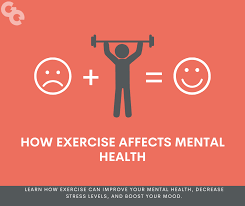
In today’s fast-paced world, stress, anxiety, and low mood are more common than ever. While therapy, medication, and lifestyle changes all play important roles, one of the most powerful (and free) tools for better mental health is exercise.
You don’t need to become a marathon runner or lift heavy weights. Even small amounts of movement can create meaningful changes in how you feel.
Let’s explore how.
🧠 1. Exercise Boosts “Feel-Good” Brain Chemicals
When you move your body, your brain releases chemicals that directly affect mood:
Endorphins – Natural painkillers that create a sense of happiness (“runner’s high”)
Serotonin – Helps regulate mood, sleep, and appetite
Dopamine – Linked to motivation and pleasure
Regular physical activity helps balance these neurotransmitters, which can reduce symptoms of anxiety and depression.
2. It Boosts Mood Naturally
Exercise stimulates the production of:
Endorphins (feel-good hormones)
Serotonin (regulates mood and happiness)
Dopamine (linked to motivation and pleasure)
This natural chemical shift can create what many call a “runner’s high” — a calm, happy, energized state after physical activity.
For people experiencing mild to moderate depression, regular exercise can be as effective as other traditional treatments when done consistently.
3. Improves Anxiety Symptoms
When you work out, your body goes through physical sensations similar to anxiety (increased heart rate, sweating). Over time, this exposure helps your brain become less reactive to those sensations.
Exercise:
Reduces nervous tension
Improves emotional resilience
Helps regulate breathing
Promotes a sense of control
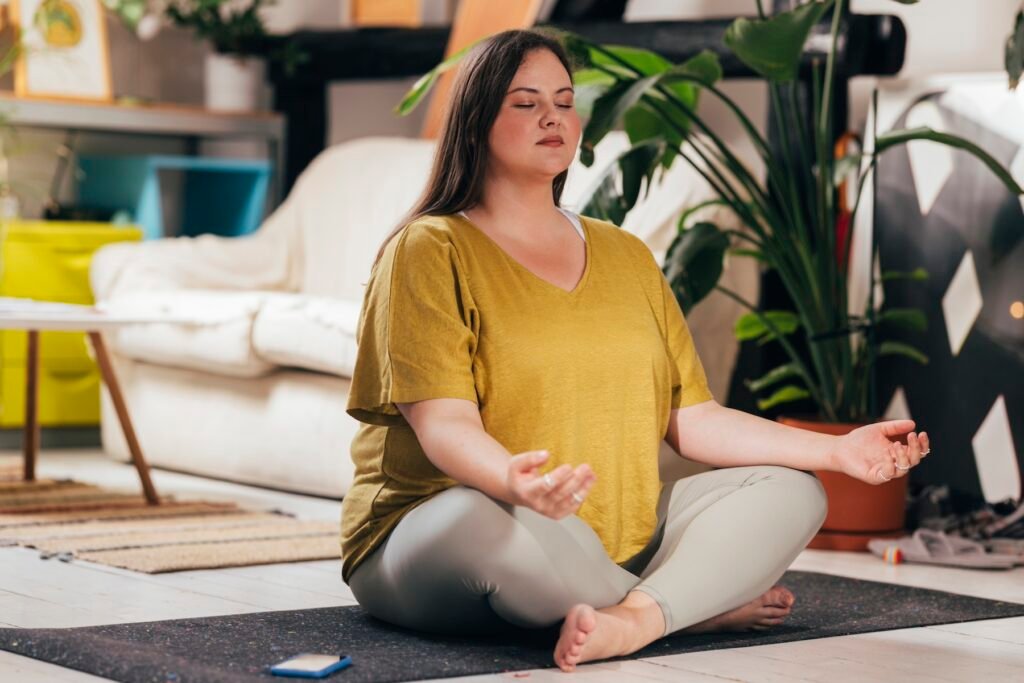
Activities like yoga, swimming, or brisk walking are especially effective for anxiety relief.
4. Enhances Self-Esteem and Confidence
Setting and achieving fitness goals — even small ones — builds confidence.
You begin to notice:
Improved strength
Better posture
Increased stamina
Healthier body image
This progress strengthens self-belief and personal empowerment.
5. Sharpens Focus and Memory
Exercise increases blood flow to the brain, improving cognitive performance. It supports the growth of new brain cells and strengthens neural connections.
Benefits include:
Better concentration
Enhanced memory
Improved creativity
Reduced brain fog
This is why many people find they think more clearly after a workout.
6. Improves Sleep Quality
Regular physical activity:
Helps you fall asleep faster
Promotes deeper sleep cycles
Regulates circadian rhythm
Better sleep directly supports emotional stability and mental clarity.
How Much Exercise Is Enough?
You don’t need intense workouts to benefit.
Experts recommend:
150 minutes of moderate activity per week (e.g., brisk walking, cycling, swimming)
Even small steps count:
10-minute walks
Stretching sessions
Dancing to your favorite music
Consistency matters more than intensity.
Getting Started (Even When Motivation Is Low)
When mental health is struggling, starting can feel hard. Try:
Starting small (5–10 minutes)
Choosing activities you enjoy
Exercising with a friend
Scheduling it like an appointment
Remember: motion creates emotion.
Final Thoughts
Exercise is not just about physical fitness — it’s a powerful mental health tool. It reduces stress, improves mood, strengthens resilience, enhances sleep, and boosts confidence.
You don’t have to become a marathon runner. Just move your body consistently.