
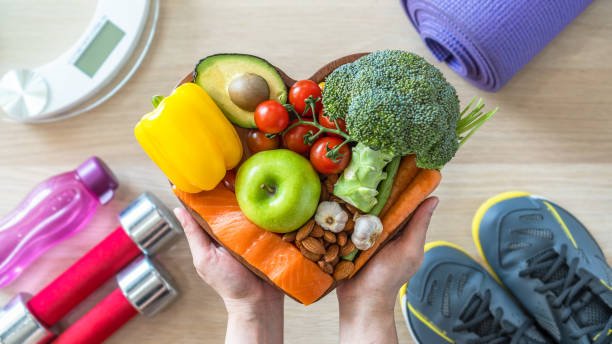
In a world full of fast food, quick fixes, and trendy weight-loss plans, the word “diet” often feels overwhelming. But a diet isn’t about starving yourself or following extreme rules — it’s about how you consistently fuel your body.
A healthy diet is not temporary. It’s a lifestyle that supports your energy, strength, mood, and long-term health.
Let’s break down what truly matters.
What Is a Diet, Really?
A diet simply refers to the food and drinks you consume daily. It’s not about restriction — it’s about balance and nourishment.
A good diet:
Provides essential nutrients
Supports healthy weight management
Boosts immunity
Improves mental clarity
Reduces risk of chronic diseases
When you eat better, you feel better. It’s that simple.
The Foundation of a Healthy Diet
1. Balanced Macronutrients
Your body needs three main macronutrients:
Protein – Builds and repairs muscles
Sources: eggs, chicken, fish, beans, tofu, Greek yogurt
Carbohydrates – Your main energy source
Sources: whole grains, fruits, vegetables, oats, brown rice
Healthy Fats – Supports hormones and brain health
Sources: avocados, nuts, seeds, olive oil, fatty fish
The key is balance — not elimination.
2. Eat More Whole Foods
Whole foods are foods that are minimally processed and closer to their natural state.
Focus on:
Fresh vegetables
Fruits
Whole grains
Lean proteins
Nuts and seeds
Limit:
Processed snacks
Sugary drinks
Excess refined sugar
Deep-fried foods
The more natural your plate looks, the better your body responds.
Portion Control Matters
Even healthy food can lead to weight gain if eaten in excess.
Simple portion tips:
Fill half your plate with vegetables
One-quarter with protein
One-quarter with whole grains
Drink water before meals
Mindful eating helps prevent overeating and improves digestion.
Hydration: The Overlooked Secret
Water is essential for:
Digestion
Energy levels
Skin health
Temperature regulation
Many people confuse thirst with hunger. Aim for 6–8 glasses of water daily, or more if you’re active.
Diet and Weight Loss
If your goal is weight loss, remember this key principle:
You must consume fewer calories than you burn.
But extreme dieting is not sustainable. Instead:
Eat protein-rich meals to stay full
Reduce sugary drinks and processed snacks
Prioritize fiber-rich foods
Maintain a moderate calorie deficit
Slow, steady progress leads to lasting results.
Diet and Mental Health
Food affects more than your body — it affects your brain.
Nutrient-rich diets can:
Improve mood
Reduce fatigue
Enhance focus
Lower anxiety levels
Omega-3 fats, whole grains, fruits, and vegetables all support brain function.
When your body is nourished, your mind becomes clearer.
Common Diet Mistakes
Skipping meals
Cutting out entire food groups
Following extreme “crash” diets
Relying too heavily on supplements
Ignoring sleep and stress
Remember, consistency beats perfection.
Building a Sustainable Diet Plan
Instead of drastic changes, try small adjustments:
Add one extra serving of vegetables daily
Replace sugary drinks with water
Choose grilled instead of fried
Cook at home more often
Plan meals ahead
Healthy habits build over time.
Final Thoughts
A diet isn’t about punishment — it’s about nourishment.
It’s not about looking perfect. It’s about feeling strong, energized, and confident in your body.
Eat foods that fuel you.
Stay consistent.
Allow balance.
Enjoy the process.
Because the best diet is the one you can maintain for life.