
When it comes to improving your nutrition, two popular approaches often dominate the conversation: clean eating and flexible dieting. Both can help you reach your fitness and health goals, but they follow very different philosophies.
So which one is better? The truth is, it depends on your lifestyle, personality, and goals. Let’s break down both approaches so you can decide what works best for you.
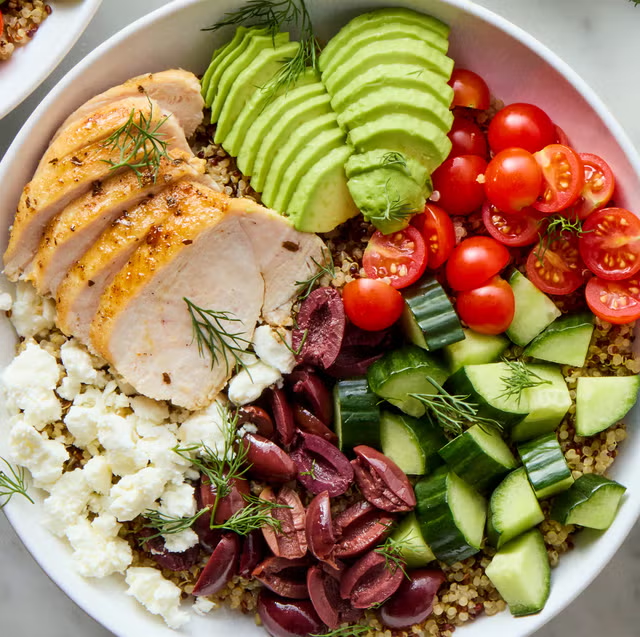
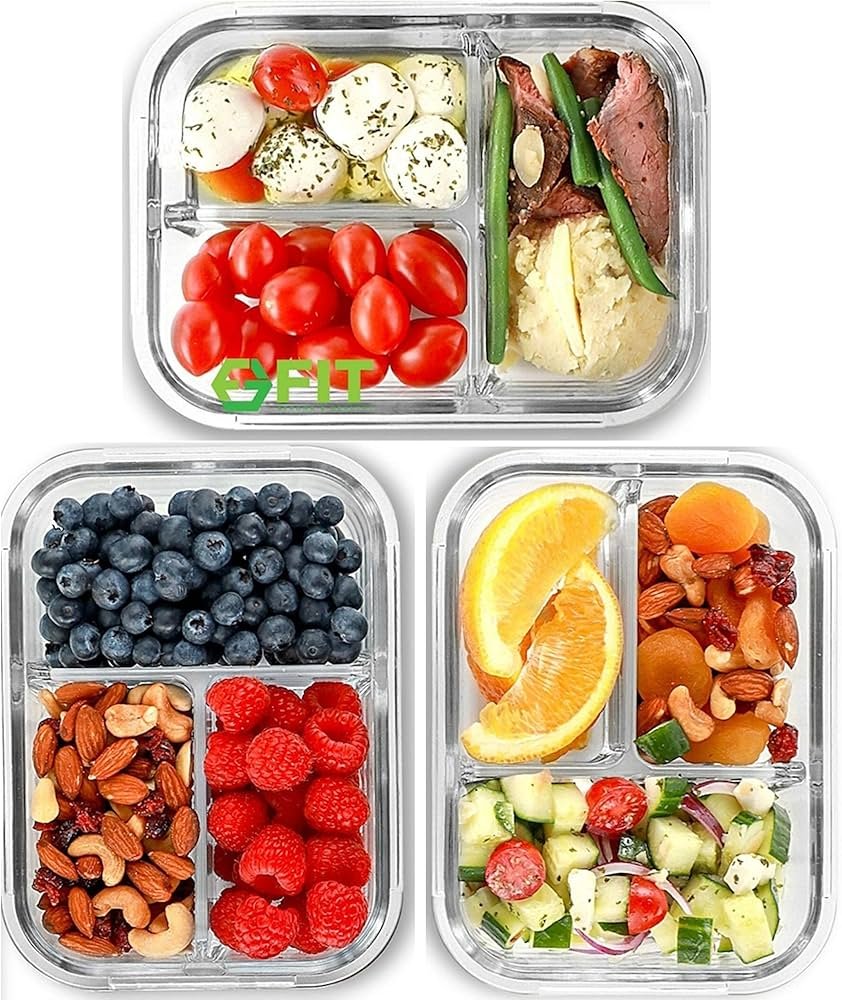

What Is Clean Eating?
Clean eating focuses on consuming whole, minimally processed foods in their most natural state. The idea is simple: eat foods that are as close as possible to how they were grown or produced.
Common Principles of Clean Eating:
Prioritizing fruits and vegetables
Choosing whole grains over refined grains
Eating lean proteins (chicken, fish, legumes)
Avoiding processed and packaged foods
Limiting added sugars and artificial ingredients
Clean eating encourages mindful food choices and often eliminates highly processed snacks, sugary drinks, and fast food.
Benefits of Clean Eating
1. Nutrient Density
Whole foods are typically rich in vitamins, minerals, fiber, and antioxidants, supporting overall health.
2. Better Energy Levels
Minimally processed foods help stabilize blood sugar levels, reducing crashes.
3. Improved Digestion
High-fiber foods promote gut health and regular digestion.
4. Simplicity
There’s no need to track calories or macros—just focus on quality food choices.
Potential Downsides
Can become overly restrictive
May label foods as “good” or “bad,” creating guilt
Difficult to maintain in social settings
Not always flexible for busy lifestyles
For some people, strict clean eating can lead to an all-or-nothing mindset.
What Is Flexible Dieting?
Flexible dieting, often called “If It Fits Your Macros” (IIFYM), focuses on meeting daily calorie and macronutrient targets rather than eliminating specific foods.
Instead of cutting out certain items, you track:
Protein
Carbohydrates
Fats
Total calorie intake
As long as you stay within your targets, you can technically eat any food—even pizza or dessert.
Core Principles of Flexible Dieting:
Track your daily macronutrients
Hit protein targets consistently
Stay within your calorie range
Allow occasional treats in moderation
This approach prioritizes balance over restriction.
Benefits of Flexible Dieting
1. Freedom and Flexibility
No food is completely off-limits, which reduces feelings of deprivation.
2. Sustainable Long-Term
Because it allows variety, many people find it easier to maintain.
3. Teaches Portion Awareness
Tracking macros helps you understand what’s actually in your food.
4. Supports Muscle Gain and Fat Loss
Macro tracking can be highly effective for physique goals.
Potential Downsides
Requires tracking and measuring food
Can feel time-consuming
Some people focus too much on numbers rather than food quality
It’s possible to hit macros while eating mostly processed foods
Flexible dieting works best when balanced with nutrient-dense choices—not just fitting in junk food.
Clean Eating vs Flexible Dieting: Key Differences
| Clean Eating | Flexible Dieting |
|---|---|
| Focuses on food quality | Focuses on quantity & macros |
| Avoids processed foods | Allows all foods in moderation |
| No calorie tracking required | Requires tracking calories/macros |
| Can feel restrictive | Offers more flexibility |
| Emphasizes natural ingredients | Emphasizes balance & moderation |
Both approaches can lead to weight loss or muscle gain if calories are managed properly.
Which One Is Better for Weight Loss?
Weight loss ultimately comes down to one thing: a calorie deficit.
Clean eating may naturally reduce calories because whole foods are more filling and lower in energy density.
Flexible dieting ensures you stay within a calorie target while allowing dietary freedom.
The “better” option is the one you can stick to consistently.
The Psychological Factor
One of the biggest differences between these approaches is mindset.
Clean eating can promote discipline and healthier food choices—but if taken too far, it may create food anxiety or guilt.
Flexible dieting encourages balance and removes the idea of “forbidden foods.” However, constant tracking can feel mentally exhausting for some.
Sustainability matters more than perfection.
Can You Combine Both?
Absolutely.
In fact, many people succeed by blending the two approaches:
Base your diet on 80–90% whole, nutrient-dense foods
Allow 10–20% flexibility for enjoyment
Focus on hitting protein goals
Avoid labeling foods as “good” or “bad”
This hybrid method provides structure without rigidity.
Who Should Choose Clean Eating?
Clean eating may work best if:
You prefer simple guidelines
You don’t like tracking numbers
You want to improve overall health and digestion
You feel better eating minimally processed foods
Who Should Choose Flexible Dieting?
Flexible dieting may be ideal if:
You enjoy data and tracking progress
You want to build muscle or lose fat strategically
You like having room for treats
You need flexibility for social events
Final Thoughts
Both clean eating and flexible dieting can improve your health and body composition when done correctly. Neither approach is inherently superior—the key is consistency and balance.
Instead of chasing perfection, focus on creating habits you can maintain for months and years—not just weeks.
Remember, the best diet isn’t the strictest one. It’s the one that fits your lifestyle, supports your goals, and helps you build a healthy relationship with food.