


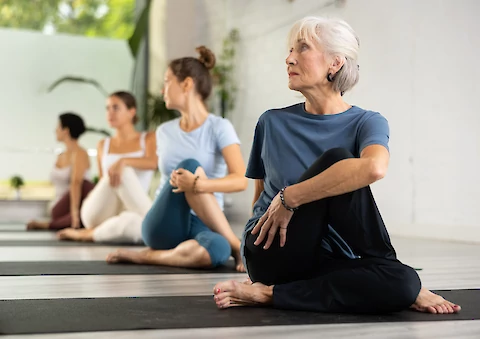
Aging is a natural part of life—but slowing down doesn’t mean giving up on fitness. In fact, staying physically active becomes even more important as we grow older. Regular exercise helps seniors maintain independence, improve mobility, reduce the risk of chronic disease, and enhance overall quality of life.
Whether you’re just getting started or looking to improve your routine, here are practical and safe fitness tips designed specifically for senior citizens.
Why Fitness Matters After 60
As we age, the body naturally experiences changes such as reduced muscle mass, decreased bone density, slower metabolism, and joint stiffness. Without regular movement, these changes can lead to weakness, poor balance, and increased risk of falls.
However, consistent exercise can:
Improve heart health
Strengthen muscles and bones
Enhance balance and coordination
Support mental health
Boost energy levels
Reduce risk of diabetes and high blood pressure
The good news? You don’t need intense workouts to see benefits.
1. Start Slow and Stay Consistent
If you haven’t exercised in a while, begin with low-impact activities and gradually increase intensity. The goal is consistency—not exhaustion.
Start with:
10–15 minutes of walking
Light stretching in the morning
Gentle mobility exercises
Aim for at least 150 minutes of moderate activity per week, as recommended by health experts. This can be broken into small, manageable sessions.
2. Prioritize Strength Training
Muscle loss (sarcopenia) accelerates with age. Strength training helps maintain muscle mass, improve bone density, and protect joints.
Simple strength exercises include:
Chair squats
Wall push-ups
Light dumbbell curls
Resistance band exercises
You can perform strength training 2–3 times per week. Focus on proper form rather than heavy weights.
Benefits of strength training for seniors:
Improved posture
Reduced risk of falls
Better ability to perform daily tasks
Increased independence
3. Don’t Ignore Balance Exercises
Falls are one of the biggest health risks for seniors. Improving balance significantly reduces this risk.
Try:
Standing on one foot (while holding a chair for support)
Heel-to-toe walking
Tai Chi
Gentle yoga
Practicing balance exercises daily—even for a few minutes—can make a big difference.
4. Choose Low-Impact Cardio
Cardiovascular exercise keeps your heart strong and improves endurance.
Safe and effective options include:
Brisk walking
Swimming
Water aerobics
Cycling on a stationary bike
Light dancing
Low-impact activities are easier on the joints while still providing heart health benefits.
5. Improve Flexibility and Mobility
Stiff muscles and joints can limit movement and increase injury risk. Stretching improves range of motion and reduces discomfort.
Include:
Gentle neck rolls
Shoulder stretches
Hamstring stretches
Calf stretches
Yoga or Pilates sessions designed for seniors
Stretch after workouts or during warm-ups to prevent injury.
6. Listen to Your Body
One of the most important fitness tips for seniors is learning to distinguish between discomfort and pain.
Mild soreness is normal.
Sharp or sudden pain is not.
Dizziness or chest pain requires immediate attention.
Consult a healthcare provider before starting a new exercise program—especially if you have chronic conditions such as arthritis, heart disease, or osteoporosis.
7. Stay Social and Engaged
Fitness doesn’t have to be lonely. Joining group classes or walking clubs adds a social element that improves emotional well-being.
Options include:
Community senior fitness classes
Water aerobics groups
Walking groups
Yoga sessions at local centers
Exercising with others increases motivation and accountability.
8. Stay Hydrated and Eat Well
Proper nutrition supports physical activity.
Seniors should focus on:
Adequate protein intake for muscle maintenance
Calcium and vitamin D for bone health
Fiber for digestion
Plenty of water
Balanced nutrition enhances workout recovery and overall vitality.
9. Make Fitness Part of Daily Life
Exercise doesn’t always mean a structured workout. Daily movement matters too.
Simple ways to stay active:
Gardening
Light housework
Taking the stairs when possible
Walking while talking on the phone
Playing with grandchildren
Every bit of movement contributes to better health.
10. Focus on Independence, Not Intensity
The goal of senior fitness isn’t to lift the heaviest weights or run marathons. It’s about maintaining independence and quality of life.
Regular exercise helps seniors:
Get up from chairs more easily
Carry groceries safely
Climb stairs confidently
Maintain balance while walking
Small improvements can make a big difference in everyday living.
Sample Weekly Fitness Plan for Seniors
Monday: 20-minute walk + light stretching
Tuesday: Strength training (upper body)
Wednesday: Balance exercises + gentle yoga
Thursday: 20-minute swim or cycling
Friday: Strength training (lower body)
Saturday: Leisure walk or social activity
Sunday: Rest and light stretching
This balanced routine supports strength, mobility, heart health, and recovery.
Final Thoughts
Aging does not mean giving up on fitness—it means adapting wisely. Staying active as a senior promotes physical strength, emotional well-being, and independence.
Start small. Stay consistent. Move with purpose.
Your body is designed to keep moving—at every age.